


Natural concentrations of NMN decline by 50% by the time you reach age 50, directly impacting your cellular energy metabolism and DNA repair. As these levels drop, your body struggles to maintain the vitality and genomic stability typical of younger years.
We often ignore this biological depletion until visible signs of aging and fatigue become impossible to overlook. This article details how NMN supports NAD+ production, its safety profile, and the specific benefits identified in current research to help you restore your cellular health.
Understanding What Is NMN And Its Link To NAD+
NMN is a direct nucleotide precursor that elevates systemic NAD+ levels, essential for mitochondrial ATP production and DNA repair. Natural concentrations decline by 50% by age 50, directly impacting cellular energy metabolism.
You might be wondering why everyone is suddenly obsessed with these three letters. Well, the science is clear: your cells are literally starving for energy as you age.
The Biological Necessity Of NAD+ For Cellular Energy
NAD+ acts as a vital electron transporter within the mitochondria. It powers the electron transport chain to generate ATP. This coenzyme is the spark for cellular vitality. Without it, your basic survival is at risk.
Furthermore, NAD+ enables PARP enzymes to repair broken DNA strands. Low levels mean genomic damage simply accumulates over time. This process is a foundational pillar for long-term cellular health and stability.
How NMN Acts As The Primary Fuel For NAD+ Production
Cells use specific surface receptors to pull NMN inside directly. Once internal, enzymes convert NMN into NAD+ through a streamlined metabolic pathway. This specific precursor proves more efficient than other bulky molecules.
Systemic NAD+ levels spike rapidly following NMN intake. The molecule becomes immediately available for urgent cellular use. It provides a fast-acting resource for your body's energy needs.
Unlike larger molecules, NMN enters cells without significant resistance. It offers a seamless transition into the internal NAD+ pool. This efficiency makes it a superior choice for cellular replenishment.
Why Natural Levels Of These Molecules Drop As We Age
Your NAD+ levels begin a steady decline in your 30s. This drop triggers visible signs of aging and fatigue. Mitochondrial efficiency fades as these essential concentrations hit record lows.
Chronic inflammation and oxidative stress accelerate this depletion process. These external stressors act like a drain on your cellular resources. They force the body to consume NAD+ faster than normal.
Low NAD+ eventually compromises vital organ functions and metabolic health. This biological decline is inevitable without targeted intervention. You are essentially running out of cellular fuel.
How NMN Functions Inside Your Cells And Mitochondria
While the decline of these molecules is a natural part of getting older, the way NMN operates deep within our cellular machinery offers a fascinating look at modern biology.Activating Sirtuins To Protect Genome Integrity
Sirtuins are NAD+ dependent proteins. They silence genes linked to aging. High NAD+ levels drive robust sirtuin activity.
These enzymes maintain overall genome stability. They effectively prevent unwanted mutations.
Longevity depends on sirtuins. Strong function means healthier cells.
The Salvage Pathway And Enzymatic Conversion Of NMN
The salvage pathway recycles nicotinamide into fuel. The body uses the NAMPT enzyme here. It is a vital recycling loop.
NMN bypasses the slow steps of this cycle. Direct transformation happens in the cytoplasm.
Metabolic speed is key. NMN provides a metabolic shortcut.
Bioavailability And The Role Of Cellular Transporters
The Slc12a8 transporter allows NMN to enter cells directly. This process is incredibly fast. It beats slower absorption methods easily.
NMN enters the bloodstream rapidly. Experts debate NMN versus direct NAD+ intake. NMN often shows better oral bioavailability.
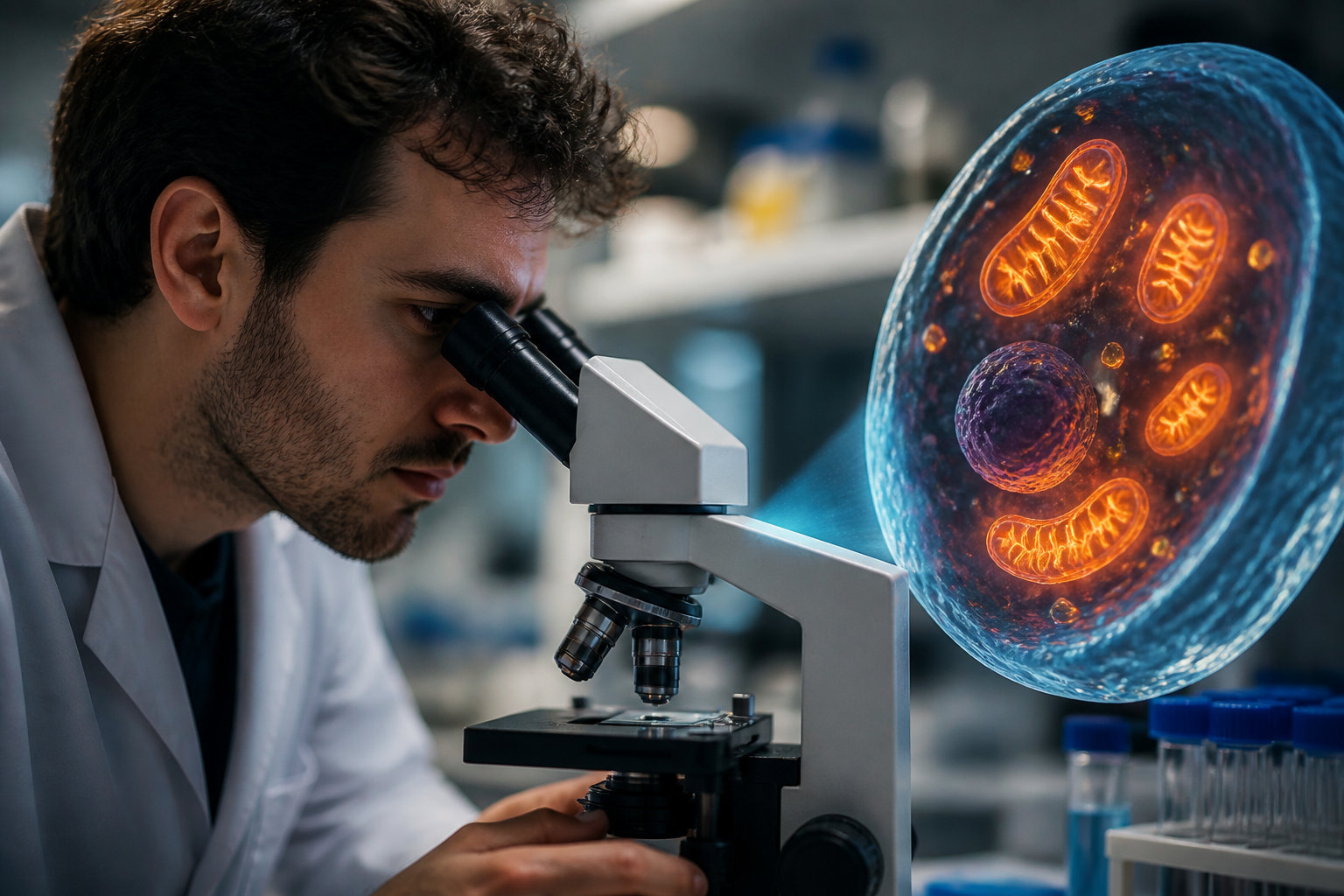
But the real data shows why this matters:
- Slc12a8 transporter efficiency: High specificity for NMN.
- Absorption time: Occurs within minutes.
- Comparison: NMN is smaller than NAD+.
Is Daily NMN Supplementation Safe For Long Term Use?
Understanding the mechanics of cellular transport is vital, but most people care more about the practical safety of taking these pills every morning.
Potential Impacts On Metabolic And Neurodegenerative Health
Human data shows improved insulin sensitivity in overweight adults. NMN might help glucose metabolism significantly. Preliminary research also suggests cognitive benefits. These findings often connect directly to better aerobic capacity during physical activity.
Older adults show better muscle performance. Yet, scientists are still studying these effects in larger, more diverse groups.
Comparing NMN With Nicotinamide Riboside And Vitamin B3
NMN differs from Nicotinamide Riboside (NR) structurally. NMN is one step closer to NAD+ in the metabolic chain. It contains an extra phosphate group.
| Precursor | Conversion Steps to NAD+ | Primary Benefit | Common Source |
|---|---|---|---|
| NMN | 1 Step | High stability and directness | Broccoli, Avocado |
| NR | 2 Steps | Well-studied bioavailability | Trace amounts in milk |
| Vitamin B3 | Multiple | Prevents pellagre | Meat, Fish, Grains |
Current Research On Dosage And Long Term Safety
Daily doses range from 250mg to 1000mg. Human trials show high tolerability so far. No serious side effects have been reported in these initial clinical observations.
Regulatory status varies across different global regions. Multi-year data is required to confirm absolute safety. Always consult a professional before starting.
Practical Ways To Support NAD+ Levels Naturally
Even if you decide to try supplements, there are several ways to boost your cellular health through simple lifestyle changes and kitchen staples.
Dietary Sources Of NMN From Common Whole Foods
You can find NMN in vegetables like broccoli, cabbage, and avocado. These whole foods contain small amounts of the molecule. For more variety, raw beef and shrimp also provide minor traces.
But here is the catch. Eating these foods isn't enough for therapeutic effects. The concentration is simply too low for significant NAD+ spikes.
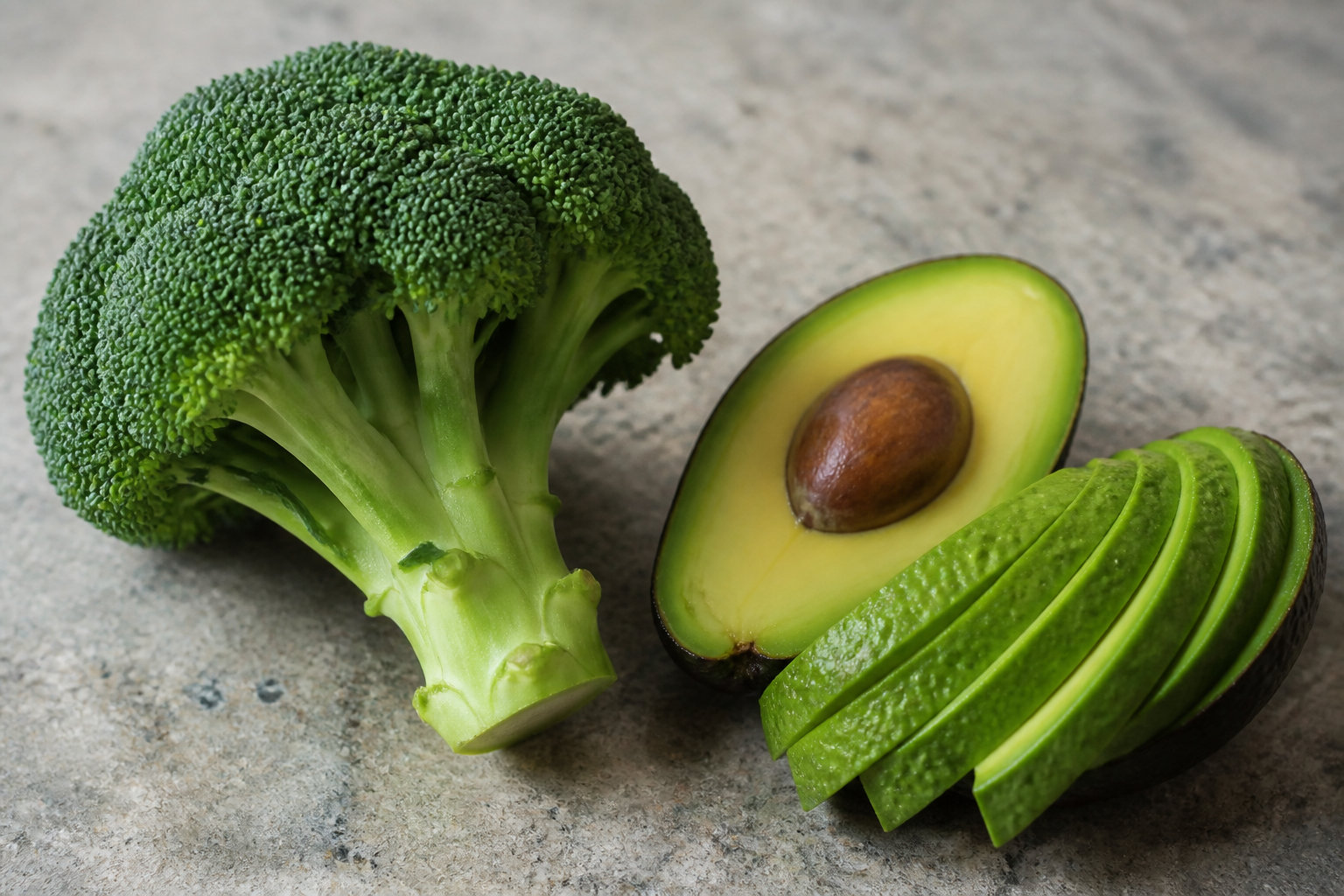
Levels remain modest:
- Broccoli (0.25-1.1mg/100g)
- Avocado (0.36-1.6mg/100g)
- Cabbage (up to 0.9mg/100g)
Role Of Exercise And Caloric Restriction In Cellular Health
Physical activity triggers the NAMPT enzyme, especially in muscles. This movement naturally forces the body to produce more NAD+. It is a direct path to mitochondrial renewal.
Fasting or caloric restriction also impacts NAD+ pathways. This metabolic stressor tricks the body into repair mode. It activates sirtuines to fight aging.
A holistic approach works best. Combine smart diet, regular movement, and targeted supplementation for best results. That is how you support What Is NMN? Benefits, Uses, Safety and How It Supports NAD+.
NMN effectively restores declining NAD+ levels, fueling mitochondrial energy and essential DNA repair. By integrating targeted supplementation with aerobic exercise, you can actively protect your cellular vitality today. Start optimizing your metabolic health now to ensure a resilient, high-energy future.
FAQ
What exactly is NMN and how does it relate to NAD+?
NMN, or Nicotinamide Mononucleotide, is a naturally occurring molecule found in our bodies and certain foods. It serves as a direct precursor to NAD+ (Nicotinamide Adenine Dinucleotide), a vital coenzyme present in every living cell. Essentially, NMN acts as the raw material your cells need to produce NAD+, which is indispensable for cellular energy production, DNA repair, and overall metabolic health.
As we age, our natural levels of both NMN and NAD+ decline significantly, often dropping by 50% by age 50. Supplementing with NMN is a primary strategy to bypass the body's slower metabolic pathways and directly restore these coenzyme levels to a more youthful state.
How does NMN help boost my cellular energy?
NMN supports energy production by facilitating the creation of NAD+, which is a key player in the mitochondrial electron transport chain. Inside the mitochondria, NAD+ helps convert nutrients into ATP (Adenosine Triphosphate), the primary energy currency of the cell. Without sufficient levels of these molecules, cellular vitality wanes and genomic damage can accumulate over time.
Furthermore, high NAD+ levels activate sirtuines, which are proteins that protect genome integrity and silence genes associated with aging. By providing a metabolic "shortcut," NMN ensures that your cells have the necessary fuel to maintain robust energy levels and efficient repair mechanisms.
Is taking NMN daily considered safe for long-term health?
Current human clinical trials indicate that NMN is well-tolerated with a high safety profile. Research involving daily doses ranging from 250mg to 1,200mg has reported minimal side effects. Studies on older adults and amateur runners have shown improvements in muscle responsiveness and aerobic capacity without significant adverse events.
However, while short-term studies (up to 12 weeks) are very promising, researchers emphasize the need for more multi-year data to confirm absolute long-term safety. It is always recommended to consult with a healthcare professional before starting a new supplement regimen, especially to determine the optimal dosage for your specific needs.
Can I get enough NMN from the food I eat?
While NMN is found in common whole foods like broccoli, cabbage, avocado, tomatoes, and raw beef, the concentrations are extremely low. For example, broccoli contains between 0.25 to 1.1mg per 100g, and avocado offers about 0.36 to 1.6mg per 100g. These amounts contribute to your overall health but are not enough to achieve therapeutic NAD+ spikes.
To reach the dosages used in clinical research (such as 250mg or more), one would need to consume unrealistic quantities of these vegetables. Therefore, targeted supplementation is often viewed as a more practical method for significantly elevating systemic NAD+ levels.
What are the main differences between NMN, NR, and Vitamin B3?
NMN and Nicotinamide Riboside (NR) are both direct precursors to NAD+, whereas traditional Vitamin B3 (Niacin) follows a longer metabolic path. NMN is often preferred because it is only one enzymatic step away from becoming NAD+, making it a highly efficient "booster." In contrast, NR must first be converted into NMN before it can become NAD+.
Additionally, NMN utilizes a specific transporter called Slc12a8 to enter cells directly and rapidly, especially in the small intestine. Unlike Niacin, NMN supplementation does not typically cause the uncomfortable "flushing" effect, making it a more stable and direct option for those looking to support cellular longevity.
Are there natural ways to support my NAD+ levels besides supplements?
Yes, lifestyle choices play a massive role in maintaining cellular health. Physical exercise is one of the most effective ways to naturally boost NAD+ because it triggers the NAMPT enzyme, which recycles nicotinamide back into fuel. Regular movement is directly linked to mitochondrial renewal and improved muscle performance.
Caloric restriction and intermittent fasting also trick the body into a "repair mode," activating sirtuins and increasing NAD+ pathways to protect cells under stress. Combining a nutrient-dense diet with regular activity and smart supplementation offers a holistic approach to slowing the biological markers of aging.