


The global market for NMN reached 252.7 million dollars in 2020 as interest in cellular longevity continues to surge. While both molecules are central to energy production, choosing between oral NMN vs NAD+ often leaves users confused about which precursor actually reaches their cells.
Most people waste money on supplements that simply break down in the digestive tract before doing any good. We will compare their molecular stability and absorption pathways to help you identify the most effective way to restore your declining levels.
Understanding the NMN vs NAD+ Difference in Cellular Biology
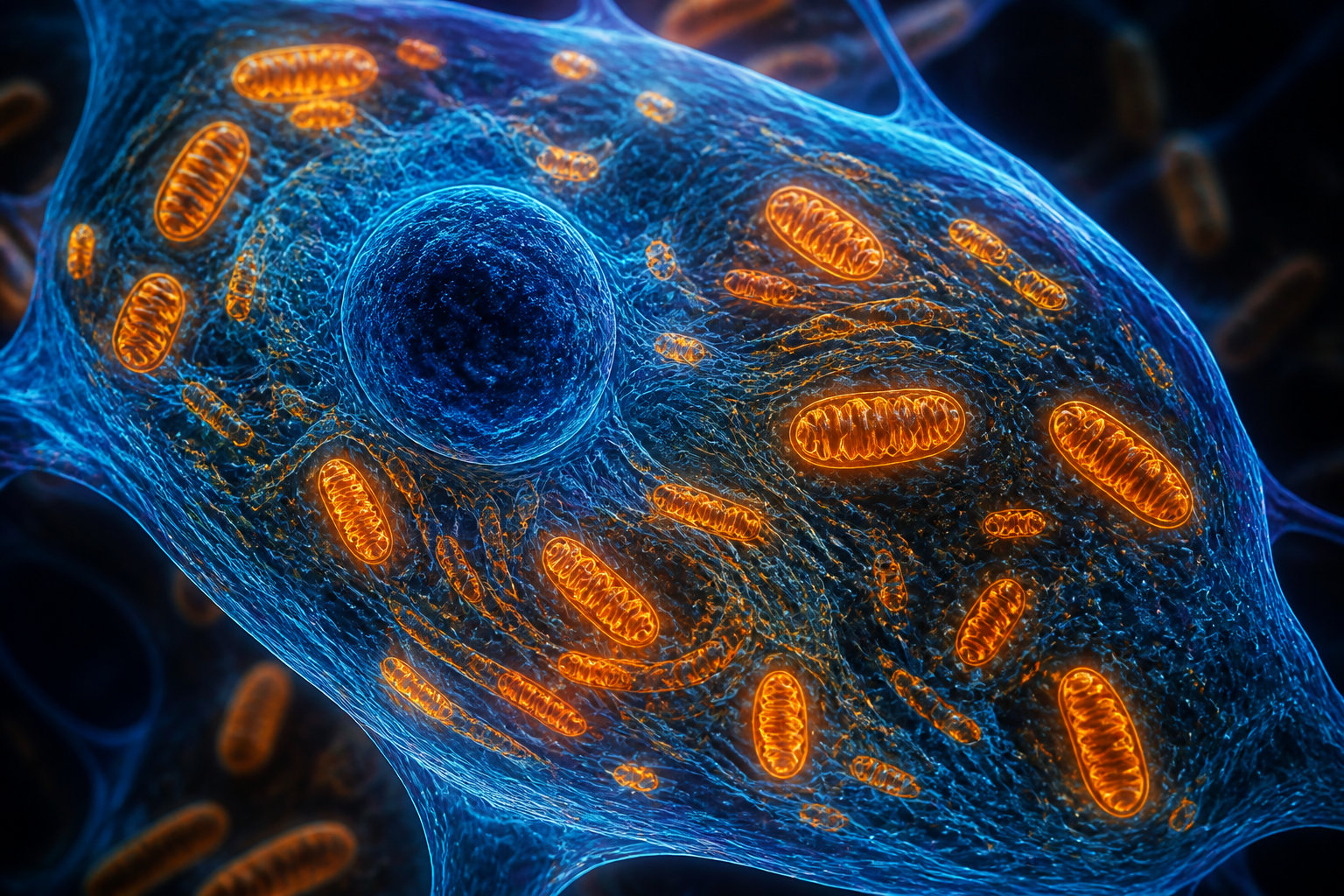
Oral NAD+ molecules are too large for direct cellular entry, whereas NMN utilizes the Slc12a8 transporter for efficient absorption. NMN acts as a direct precursor, effectively bypassing digestive degradation to fuel mitochondrial ATP production and SIRT1 activation.
The biological superiority of NMN begins with its role as the primary fuel source for synthesizing the coenzyme within the cell.
NMN as the Primary Fuel for NAD+ Synthesis
NMN is the immediate precursor to NAD+. It serves as the vital raw material for cellular energy. The body uses it within the salvage pathway to maintain life.
Molecular weights create a massive hurdle. NAD+ is a bulky, charged molecule. It cannot easily cross the double-layered cell membrane. NMN is smaller and far more agile for transport.
Constant fuel levels are required for DNA repair. Mitochondria depend on this supply to function. Without adequate NMN, cellular aging accelerates at a rapid pace.
The NMNAT Pathway and Enzymatic Conversion
The NMNAT enzyme plays a specific role. It fuses NMN with ATP molecules. This reaction is the final step in creating functional NAD+ for the cell.
Conversion speed creates a metabolic bottleneck. This limit dictates how much energy is produced. Aging naturally reduces the efficiency of these critical enzymes over time.
Higher NMN levels push the metabolic pathway forward. This surge helps overcome the natural decline in cellular metabolic rates.
Efficient internal synthesis beats direct supplementation. The human body clearly prefers these internal production cycles for stability.
2 Reasons Why Oral Bioavailability Favors NMN
While internal chemistry is vital, the journey through the digestive system creates the first real hurdle for these molecules.The Breakdown of NAD+ in the Digestive Tract
Stomach acid is brutal on NAD+ stability. Digestive enzymes quickly dismantle the molecule before it can work. It turns into common vitamin B3. This renders the original supplement largely ineffective for cellular needs.
The first-pass metabolism effect is another major barrier. The liver processes nutrients before they circulate. NAD+ rarely survives this initial filtration process intact, losing its structural integrity.
Compare this to NMN survival rates. NMN is significantly more stable in acidic environments. It reaches the blood stream in its original form, ready for conversion.
The Role of Slc12a8 Transporters in Cellular Uptake
The discovery of the Slc12a8 protein changed the debate. This transporter is a dedicated gateway for NMN. It allows for rapid entry into cells without extra steps.
There is a clear lack of NAD+ transporters. Most tissues cannot pull NAD+ directly from blood. It must be broken down first, which wastes precious time.
Absorption happens within minutes of ingestion in the small intestine. This efficiency makes oral NMN superior for those seeking fast results.
- Transporter availability
- Molecular stability
- Intestinal transit time
- Blood plasma peak times
Should You Choose IV Therapy or Oral Supplements?
Choosing between biological efficiency and practical application often leads to the debate between clinical procedures and home-based routines.Clinical NAD+ Infusions Versus Daily NMN Powder
Systemic saturation levels differ greatly. IV therapy bypasses the gut entirely. It provides an immediate, intense spike in levels.
Analyze the cost-to-benefit ratio. Clinical visits are expensive and time-consuming. Daily oral NMN is far more affordable.
Consistency is better than occasional high doses. Daily NMN maintains a steady state. This supports ongoing DNA repair processes better. Long-term protocols favor this regularity.
Stability and Storage of Different Delivery Formats
Evaluate NMN capsule shelf life. Capsules protect the powder from moisture. Sublingual powders offer faster but messier absorption.
Address liquid NAD+ degradation. Liquid forms are notoriously unstable. They lose potency quickly if not refrigerated properly.
Provide storage tips. Keep products in dark, cool places. Avoid heat and direct sunlight exposure.
| Format | Stability | Cost | Convenience | Best For |
|---|---|---|---|---|
| Oral NMN | High | $30-$80 | High | Daily maintenance |
| Sublingual NMN | Medium | $40-$90 | Medium | Fast absorption |
| NAD+ IV | Low | $250-$1,500 | Low | Rapid recovery |
| Liposomal NAD+ | Medium | $60-$120 | High | Bioavailability |
Impact on Metabolic Health and Mitochondrial Repair
Beyond the logistics of delivery, the real value lies in how these molecules rejuvenate the body’s internal engines.Reversing Age-Related Decline in Cellular Energy
Mitochondrial efficiency restoration is achievable. Precursors reactivate the electron transport chain directly. This process creates significantly more ATP in older cells.
Fuel links to physical stamina. Users often report better exercise recovery. Muscles finally have the energy required to repair effectively.
Sirtuins are critical longevity genes. They require NAD+ to function properly. Supplementation turns these protective pathways back on, supporting genome stability and cellular health.
Cognitive Function and Insulin Sensitivity Benefits
High NAD+ levels protect neurons from oxidative stress. This mechanism supports better memory and focus. Healthy energy production keeps brain cells resilient.
NMN improves how cells respond to insulin. This helps stabilize blood sugar levels. It specifically enhances glucose clearance in skeletal muscles.
Metabolic flexibility improves significantly. The body switches between fuel sources easier. This prevents serious metabolic syndrome risks.
Healthy aging requires both brain and body support. Precursors provide this dual benefit. They address systemic decline at the source.
Safety Protocols and Quality Standards for Buyers
While the benefits are compelling, ensuring safety and product integrity is the final step in a successful supplementation strategy.
Avoiding Liver Toxicity and Managing Side Effects
Concerns about liver toxicity often arise with new supplements. However, research indicates that NMN is generally safe for consumption. High doses do not typically damage liver enzymes in current studies.
Some users might experience mild side effects like nausea or flushing. These reactions are usually temporary and not severe. Often, these symptoms vanish quickly if you simply lower the daily dose.
Always seek medical guidance before starting, especially if you use blood thinners. Interactions with insulin medications are also a possibility to discuss. Your doctor can help navigate these specific health risks.
Common side effects:
- Nausea
- Dizziness
- Skin flushing
- Digestive discomfort
Verifying Purity with Third-Party Lab Certifications
Certificates of Analysis (CoA) are absolutely necessary because fake products are common online. A CoA proves the actual content matches the supplement label. Always ask for recent testing dates to ensure current batch quality.
Identify quality markers by checking pH stability and purity percentages. Heavy metal testing for lead or mercury is also mandatory. These details separate professional brands from amateur operations.
Transparent sourcing is another vital factor for safety. Know exactly where the raw materials originate. Reputable brands share their supply chain details to build trust with their customers.
Looking ahead, the 2026 market standards will likely be much stricter. Regulation is becoming a priority. Only certified pure products will survive this inevitable industry shift.
NMN offers superior oral bioavailability and efficient cellular uptake via Slc12a8 transporters compared to larger NAD+ molecules. By fueling the NMNAT pathway, daily supplementation maintains the energy levels necessary for DNA repair and metabolic health. Optimize your cellular vitality now to secure a resilient, energized future.
FAQ
What is the main difference between NMN and NAD+?
The primary distinction lies in their roles within cellular biology: NAD+ is the essential coenzyme that fuels energy production and DNA repair, while NMN acts as its direct precursor. Think of NAD+ as the finished product and NMN as the raw material your body uses to manufacture it.
Physically, NMN is a smaller molecule, which allows it to be absorbed more efficiently by cells compared to the larger, bulkier NAD+ molecule. While NAD+ levels naturally decline with age, supplementing with NMN provides the necessary fuel to help restore these vital levels.
Is it better to take NMN or NAD+ supplements orally?
Research generally favors NMN for oral supplementation due to its superior bioavailability. NAD+ molecules are often too large to cross cell membranes directly and are frequently broken down by digestive enzymes in the stomach before they can reach the bloodstream.
In contrast, NMN is more stable in acidic environments and utilizes specific gateways, such as the Slc12a8 transporter, to enter cells quickly. This makes oral NMN capsules or powders a more effective and practical choice for daily use compared to oral NAD+.
How does NMN improve cellular energy and aging?
NMN works by boosting the production of ATP within the mitochondria, which are the powerhouses of your cells. By increasing available NAD+ levels, NMN helps reactivate the electron transport chain, which can lead to improved physical stamina and faster exercise recovery.
Furthermore, higher levels of NAD+ are required to activate sirtuins, often called "longevity genes." These proteins support DNA repair and metabolic health, helping to reverse age-related declines in cellular function and protecting neurons from oxidative stress.
Is NAD+ IV therapy more effective than oral NMN?
NAD+ IV therapy offers 100% bioavailability by bypassing the digestive tract entirely, providing an immediate spike in cellular levels. This clinical method is often preferred for rapid results in mental clarity and energy, though the effects typically last between 4 to 14 days.
However, daily NMN supplementation is significantly more cost-effective and convenient. While IV sessions can cost between $250 and $1,500, NMN supplements allow for a consistent, steady-state supply of precursors that support ongoing biological processes without the need for clinical visits.
Are there any side effects or safety concerns with NMN?
Current research indicates that NMN is generally safe for human consumption, and high doses do not typically result in liver toxicity. Some users may experience mild side effects such as nausea, dizziness, or skin flushing, but these symptoms usually subside if the dosage is adjusted.
It is crucial to consult a healthcare professional before starting NMN, especially if you are taking blood thinners or insulin medications. To ensure safety, always look for products verified by third-party lab testing and request a Certificate of Analysis (CoA) to confirm purity and the absence of heavy metals.