


After the age of 30, pancreatic enzyme secretion begins a steady decline, often leading to nutrient malabsorption and persistent digestive discomfort. While many adults focus on diet alone, physiological shifts in gut diversity and cellular energy production create invisible gaps that food cannot always bridge. We often end up feeling fatigued and bloated despite eating healthy meals.
This science based guide to key ingredients explores how targeted healthy aging supplements can restore mitochondrial function and skeletal resilience. We will examine the evidence behind essential nutrients to help you optimize your long term vitality.
Fundamental Nutrients for a Healthy Aging Supplements Guide
Aging reduces Vitamin B12 absorption and Vitamin D synthesis, requiring targeted supplementation. Probiotics and digestive enzymes further optimize nutrient extraction, countering age-related microbiome shifts to maintain bone density and systemic immunity.
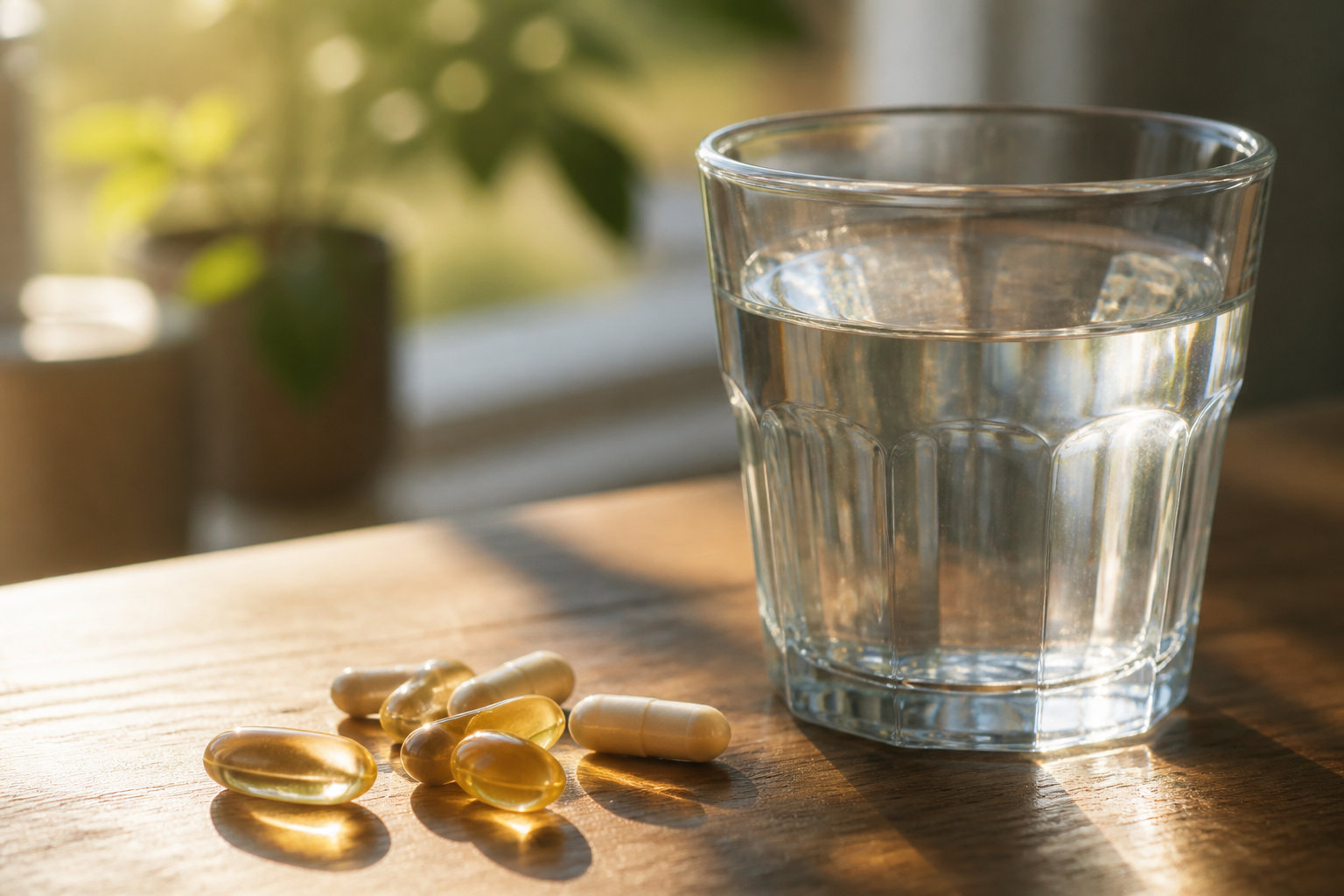
The link between digestive efficiency and bone density leads directly into the specific roles of B12 and D.
Addressing the B12 and Vitamin D Gap
Vitamin B12 supports nerve function and essential red blood cell production. Vitamin D is vital for calcium absorption and skeletal strength. Deficiencies often lead to fatigue or brittle bones in seniors. These gaps compromise daily mobility and energy.
Seasonal impacts reduce Vitamin D levels during dark winter months. Skin synthesis declines significantly with age, making sunlight less effective. I suggest blood testing before starting high doses. Safety always comes first with fat-soluble vitamins.
Many seniors lack the intrinsic factor needed for B12. Sublingual forms offer better absorption rates by bypassing stomach acid issues. It is a simple fix for a common metabolic hurdle.
Gut Health and Nutrient Absorption
Digestive enzymes break down macronutrients more efficiently for energy. Aging often slows natural enzyme production in the gut. This helps prevent bloating and improves energy levels from food. Better breakdown means better fuel.
Probiotics restore gut microbiome diversity, which naturally thins out over time. A healthy gut lining is essential for systemic immune defense. Diverse bacterial strains help manage chronic low-grade inflammation. This keeps the body resilient.
- Key strains like Bifidobacterium for microbiome balance.
- Benefits of protease and lipase enzymes for protein and fat digestion.
- The proven link between gut health and mood stability.
Focus on whole foods first. Supplements should only bridge the existing digestive gaps. Don't replace meals.
4 Pillars for Cardiovascular and Musculoskeletal Support
Beyond basic vitamins, protecting the heart and muscles requires a more specialized structural approach to supplementation.Omega-3s and Magnesium for Inflammation
Focus on Omega-3 fatty acids for managing systemic inflammation. Distinguish between EPA for heart health and DHA for cognitive clarity. These fats are vital for maintaining flexible arterial walls.
Introduce Magnesium as a co-factor for over 300 enzymatic reactions. It helps regulate blood pressure and improves sleep quality. Most older adults fail to meet the daily recommended intake.
| Nutrients | Primary Benefit | Daily Goal | Food Source |
|---|---|---|---|
| Omega-3 (EPA/DHA) | Heart/Brain health | High Purity | Fatty fish |
| Magnesium | Muscle/Nerve function | Standard RDA | Dark chocolate |
| Calcium | Bone density | Age-adjusted | Dairy products |
| Vitamin K2 | Arterial health | Synergistic | Fermented foods |
Creatine and Collagen for Physical Resilience
Analyze Creatine’s role in preserving muscle mass and preventing sarcopenia. It is not just for athletes; it supports cognitive energy too. Collagen helps maintain joint integrity and skin elasticity. Both are safe for most healthy seniors.
Highlight the synergy between Zinc and Calcium for skeletal resilience. Zinc supports protein synthesis and immune cell development. Calcium remains the bedrock of bone mineral density as we age.
Combine these with resistance training. Supplements work best when paired with active physical movement.
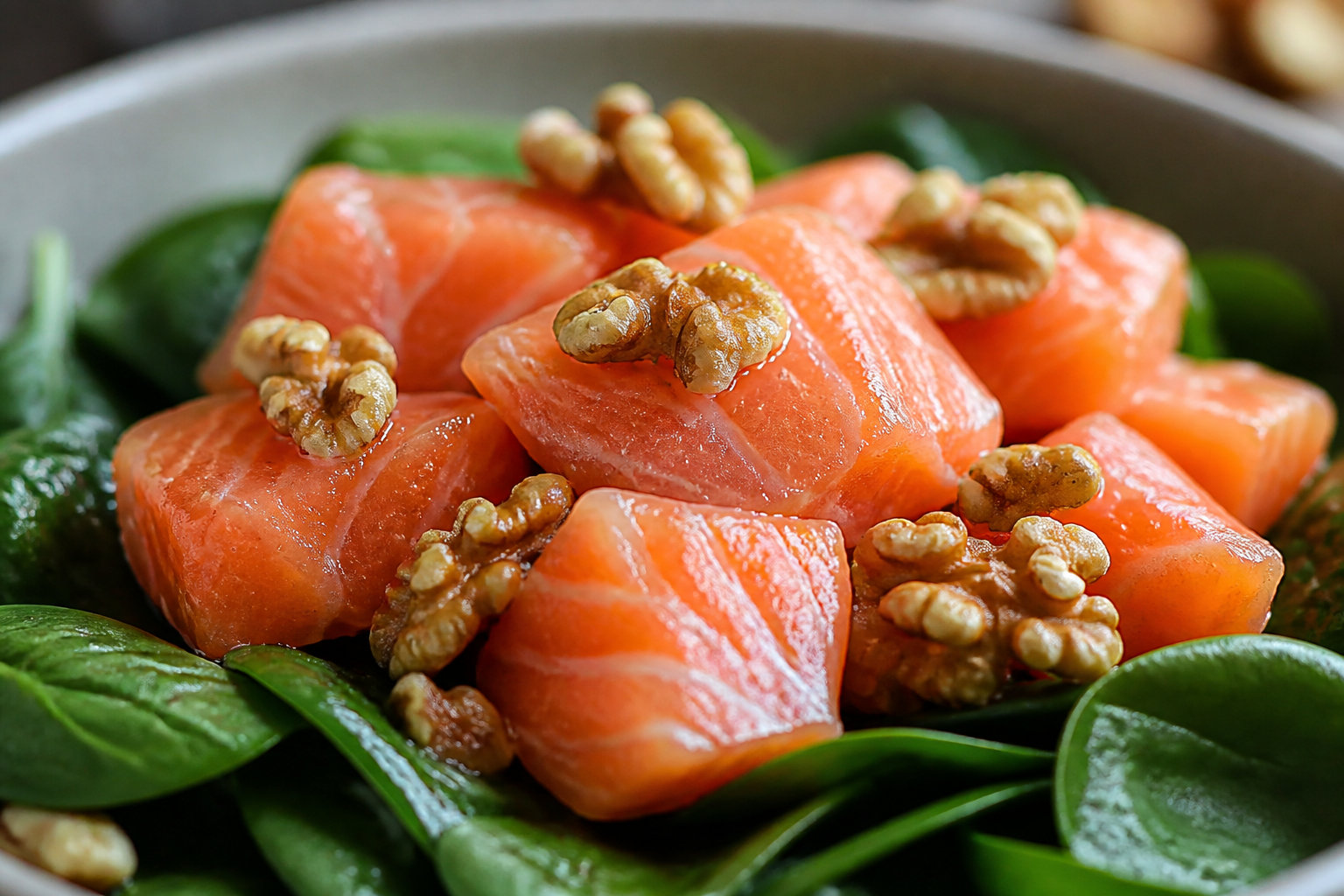
Can Longevity Science and Mitochondria Slow Aging?
While foundational nutrients keep the body running, new research looks deeper into the cellular engines that drive the aging process itself.
NAD+ Precursors and CoQ10 for Mitochondria
NAD+ precursors act as vital drivers for mitochondrial efficiency. These compounds assist in converting food into essential cellular energy. Levels naturally decline as we age, causing metabolic fatigue and slower repair.
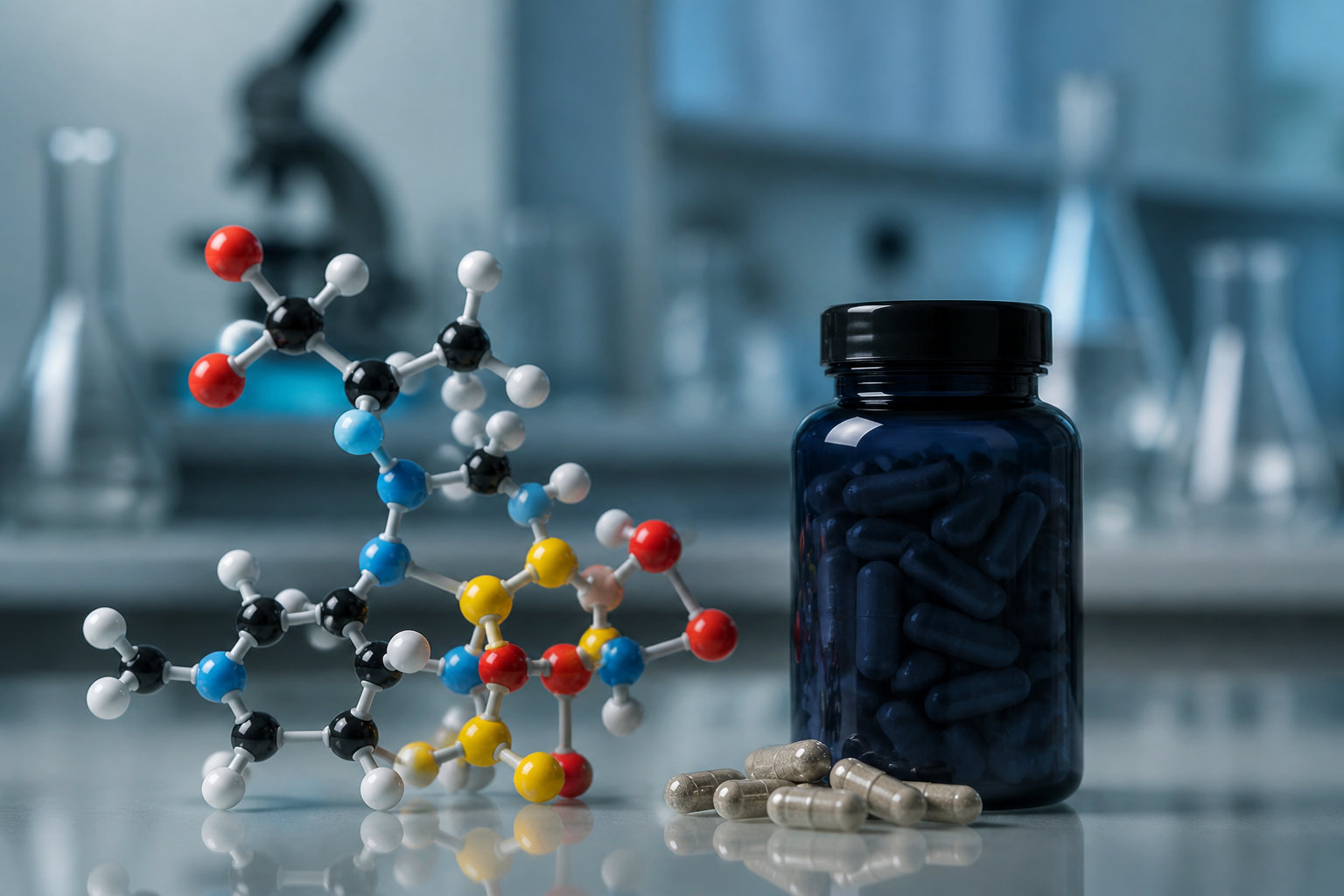
CoQ10 supports heart health and provides necessary antioxidant protection. It is particularly important for individuals taking statin medications. Acetyl-L-Carnitine further assists by transporting fatty acids directly into the mitochondria.
- Lion’s Mane supports nerve health.
- Chaga boosts immunity.
- Reishi aids in stress management.
NMN and Resveratrol for Cellular Repair
DNA repair relies heavily on NMN and Resveratrol. Resveratrol activates sirtuins, known as longevity genes. NMN provides the specific fuel these genes require to function. Together, they effectively mimic some benefits of caloric restriction.
Senolytics like Fisetin help clear out "zombie" cells. These damaged cells trigger inflammation in otherwise healthy tissues. Removing them may reduce oxidative stress and significantly improve overall tissue function.
These remain experimental compounds. Always consult a specialist before adding them to your standard Healthy Aging Supplements: A Science-Based Guide to Key Ingredients regimen.
Research is ongoing but looks promising. Focus on human-grade purity when selecting these specific longevity supplements to ensure safety.
Practical Safety and Daily Supplement Routines
Having the right molecules is only half the battle; knowing how to take them safely is what prevents complications.Deciphering Labels and Daily Values
Always scan labels for % Daily Values. Many supplements for seniors exceed safe upper limits. Look for third-party testing seals to ensure you get pure Healthy Aging Supplements: A Science-Based Guide to Key Ingredients.
Distinguish between baseline nutrients and longevity compounds. Baselines fix deficiencies like Vitamin D. Longevity options, like Spermidine or NAD+ precursors, are extra tools for those targeting specific cellular health goals.
Watch for hidden fillers or allergens. Avoid products containing excessive artificial colors. Skip supplements with unnecessary synthetic binders that add no value.
Managing Medication Interactions
Supplements often clash with prescription drugs. Vitamin K interferes with blood thinners like Warfarin. St. John’s Wort reduces chronic medication efficacy. Always share your full supplement list with your doctor.
Time your intake for optimal absorption. Fat-soluble vitamins need a meal with healthy fats. Take minerals like Magnesium in the evening to help with relaxation before bed.
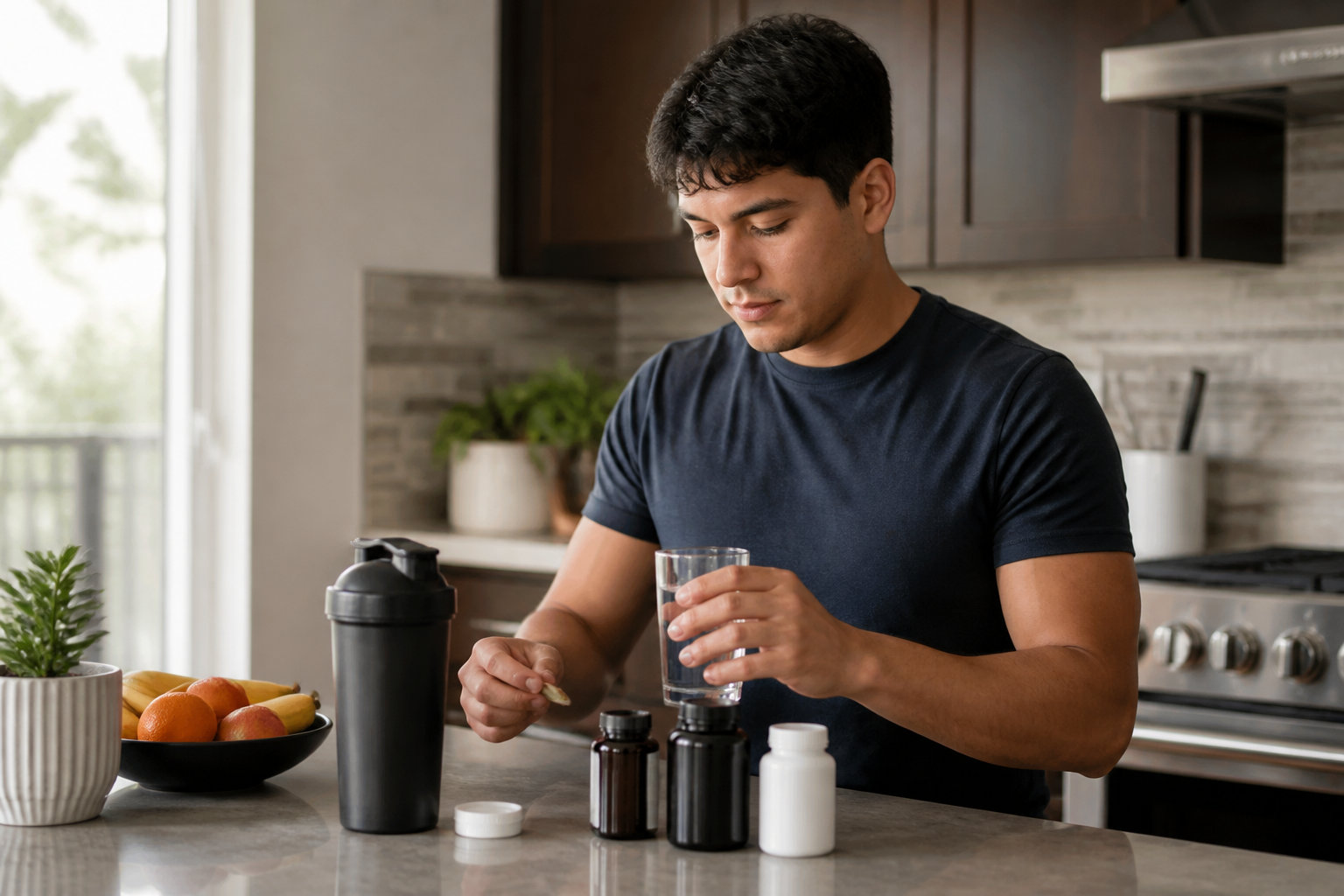
Safety is the priority. Never replace medical treatments with unverified herbs.
Optimizing your longevity requires balancing foundational nutrients like Vitamin D and B12 with advanced cellular support from NAD+ precursors and Omega-3s. Start prioritizing high-quality, third-party tested formulations today to protect your cognitive and physical resilience. This science-based healthy aging supplements guide ensures you thrive in every future decade.
FAQ
How does the aging process impact Vitamin B12 absorption and what are the health risks?
As we age, the body often produces less stomach acid and intrinsic factor, both of which are critical for extracting Vitamin B12 from food. This decline means the vitamin cannot be properly released or transported for absorption in the small intestine, frequently leading to a significant deficiency in seniors.
The consequences of this gap are serious, ranging from fatigue and physical weakness to more severe neurological issues. Because B12 is vital for nerve health and red blood cell production, a deficiency can cause permanent nerve damage, memory loss, and megaloblastic anemia, where red blood cells become too large to function correctly.
What causes a Vitamin B12 deficiency besides aging, and how does intrinsic factor work?
Beyond natural aging, deficiencies are often caused by dietary choices like strict veganism, or medical conditions such as pernicious anemia, an autoimmune disorder that attacks the cells producing intrinsic factor. Other triggers include gastrointestinal surgeries, Celiac disease, and the long-term use of certain medications like metformin or acid blockers.
Intrinsic factor is a specialized protein secreted by the stomach that acts as a "key" for Vitamin B12 absorption. It binds to the vitamin in the small intestine, creating a complex that the body can finally recognize and absorb into the bloodstream. Without enough intrinsic factor, the body simply cannot process B12, regardless of how much is consumed through food.
Why are Magnesium and Omega-3s so important for maintaining physical health as we grow older?
Magnesium is a powerhouse mineral involved in over 300 biochemical reactions, essential for regulating blood pressure and maintaining a steady heart rhythm. It also acts as a natural relaxation agent, helping to manage cortisol levels and improve sleep quality by supporting melatonin production.
Omega-3 fatty acids complement this by managing systemic inflammation and supporting arterial flexibility. Together, these nutrients protect the cardiovascular system, maintain bone density, and ensure that the nervous system remains resilient against age-related decline.
How do NMN and Resveratrol support cellular repair and longevity?
NMN serves as a direct precursor to NAD+, a coenzyme that fuels mitochondrial energy and DNA repair. Since NAD+ levels drop as we age, NMN helps restore cellular energy and metabolic function. Resveratrol, a plant polyphenol, activates sirtuins, longevity genes that protect cells from stress and damage.
Together, these compounds act as "caloric restriction mimetics," providing the cellular benefits of fasting without the dietary changes. By boosting NAD+ and activating sirtuins, they help the body maintain genomic stability and clear out damaged components through processes like autophagy.
What are senolytics like Fisetin, and how do they help clear "zombie" cells?
Fisetin is a potent flavonoid known as a senolytic, which means it targets and helps eliminate "zombie" cells. These are aging cells that have stopped dividing but refuse to die, instead lingering and secreting inflammatory signals that damage surrounding healthy tissues.
By clearing these dysfunctional cells, senolytics reduce oxidative stress and chronic low-grade inflammation. This cellular "cleanup" supports better tissue function and may slow the progression of various age-related physical and cognitive declines.
What safety precautions should I take when starting a new supplement routine?
Safety is paramount, especially regarding potential interactions with prescription drugs. For example, Vitamin K can interfere with blood thinners like Warfarin, and other herbs may reduce the efficacy of chronic medications. It is essential to consult a healthcare professional to review your specific needs and dosages.
Always prioritize quality by choosing products with third-party testing seals to ensure purity and potency. When starting a regimen, focus on correcting fundamental deficiencies like Vitamin D or B12 before adding experimental longevity compounds, and always take fat-soluble vitamins with a meal for optimal absorption.